
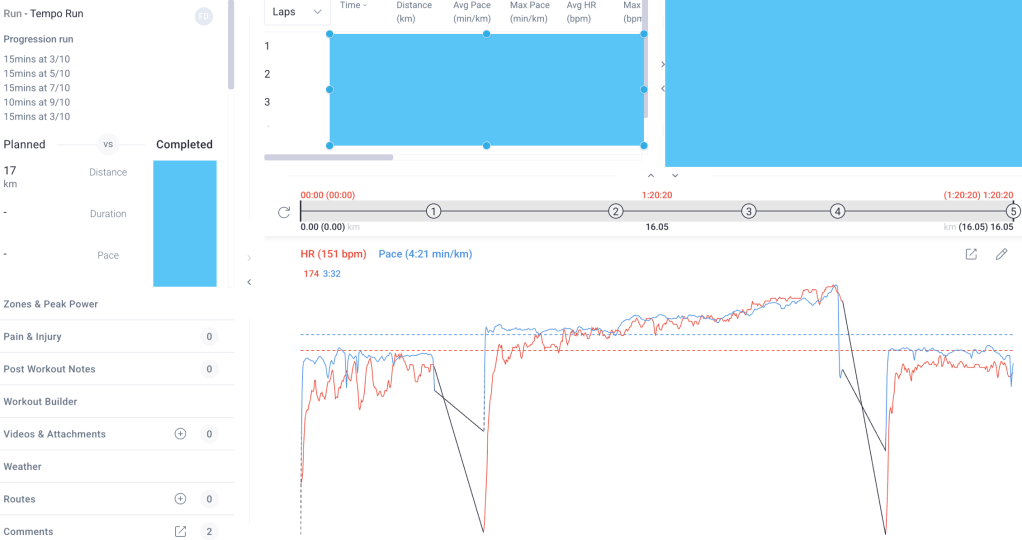
Welcome to another edition of the Fraser Darcy Coaching Newsletter (or FDCN for a shortened acronym that doesn’t roll off the tongue well at all). Since the last newsletter pre Gold Coast Marathon not much has changed. A few PB’s by a few athletes, lots of lessons for all athletes who raced and for everyone else under this coaching framework, lots of running which is always the baseline and always great to not be injured. This newsletter unpacks a couple of topics I’ve been waiting to get into for a while now and will be a good one to bookmark under ‘things I should remember about my running every once in a while’. The best image to sum up what I’m about to talk about is below.
Agenda:
- RPE
- Athlete Zones
- Injury Prevention
RPE:
I’m a big fan of using RPE as both a guide for programming sessions and also as a metric for analysing people’s performance. It is one of the main reasons why I adopted using FinalSurge for coaching as the post workout tool of leaving a number (plus an emoji) representing how a run felt is one of the best indicators of how someone is going. If I see a pattern emerging of finding runs at a higher RPE than they should be at then it gives me great evidence to lean on and suggest the athlete backs off the effort, forgets about the pace or distance I may have prescribed and aims to complete a run at an easier effort. I don’t have any scientific literature to back it up but the anecdotal evidence about training to feel is just as rigorously supported as the evidence about training to heart rate and lactate measurements. The way that makes sense in my head is by literally thinking about how your perception of feel and effort are outcomes from the complicated equations and calculations your literal head/brain has made given a variety of mental, physiological and environmental factors.
If we’re anxious, stressed or upset then a run will feel harder than it otherwise would have if we were happy, carefree and relaxed. Same as if it were windy and wet compared to sunny and still. Same again as if we were well rested and well fuelled compared to no sleep and no food. Runners generally give ourselves credit on the physiological and environmental factors when analysing our own running but don’t often think about the mental factors even though we are now more mindful of our mindfulness and mental cognition than ever before.
So that’s a brief overview to have in your head as I now unpack RPE a little further. I like to prescribe sessions based on RPE to take into consideration all the different mental, physiological and environmental factors in ones life as simply giving a specific pace or even heart rate might not be the most helpful metric to aim for all the time. I use a scale of 1-10 as is mostly normal but there is a 1-20 scale out there too. 10 numbers is simpler though so I use 1-10. Here is how I rank things and it may also pay to go back to Newsletter #2 to go through each of the different run categories and see what RPE’s would apply for which categories. Starting at number 1 and working our way down the list…
- Very very easy. As slow as a walk. Maybe it is a walk. Gets the blood moving after maybe you’ve been in for complex surgery and haven’t exercised in several days.
- Very easy. Bit of a brisk walk, shuffle jog thing like you’re rushing across the road. Could do this for days on end if you needed to run for days on end but most people don’t have to do that unless they are in a Backyard Ultra.
- Easy. A general run and probably the gold standard for all easy running that makes up 80% of the weekly volume. You can do this when it’s rainy, windy, when you’re tired and sore, when you’ve had no sleep. If you start to combine all of those plus some mental load then maybe an easy run on your program should actually drop back to a 2 RPE.
- Comfortable. A good easy run, maybe it’s a nice day and you pick up the pace because you’re rolling with friends and it’s nice and sunny out. Fine if some of your easy running is like this. Also a good effort to drop back to for jog recoveries in sessions.
- Steady. Now we’re getting somewhere. An easy run with intention is another description I use here. I sometimes put a RPE 5 run in place of a proper session and just send people out to have a good steady run. This is the type of run that most people think of when they first become a runner until they learn about polarising their training and running most of it easy (3-4 RPE) and some of it hard (7-9/10).
- Strong steady. A very in between effort. Maybe it’s a solid steady run or maybe its a session after a big long run or race where I want you to run a bit faster than easy but not full blown effort. Generally that’s because I’m aware that your physiological load might be high or still trying to build it up.
- Classic Tempo effort. Most sessions should start somewhere around this effort level. If someone asked you to run fast but look in control this is the effort you’d probably choose. Most sessions I program are around here.
- Race pace/top of tempo. If a session is RPE 8 I want you take it serious. Generally an RPE 8 session is a key, longer interval or tempo session where the aim is to practice thinking about an upcoming race or just challenging yourself. You are running fast and you’re constantly doing mental gymnastics in your head to tell yourself you still have an other gear to go if someone jumped out of the bushes and chased you but you are starting to feel like you’re getting to your limit.
- VO2 Max effort, running fast, maybe not in control. This is the short fast hard rep level. You obviously have one more gear to go but that’s the break glass in case of emergency gear. Should only be able to run at this effort 3 minutes or less until you start to slow down.
- Absolute top speed. Maybe it’s a gear you unlock in a stride when you’re feeling amazing or maybe it’s an effort you unlock going up a hill but most importantly it’s an effort you unlock in the final stretch of a race!
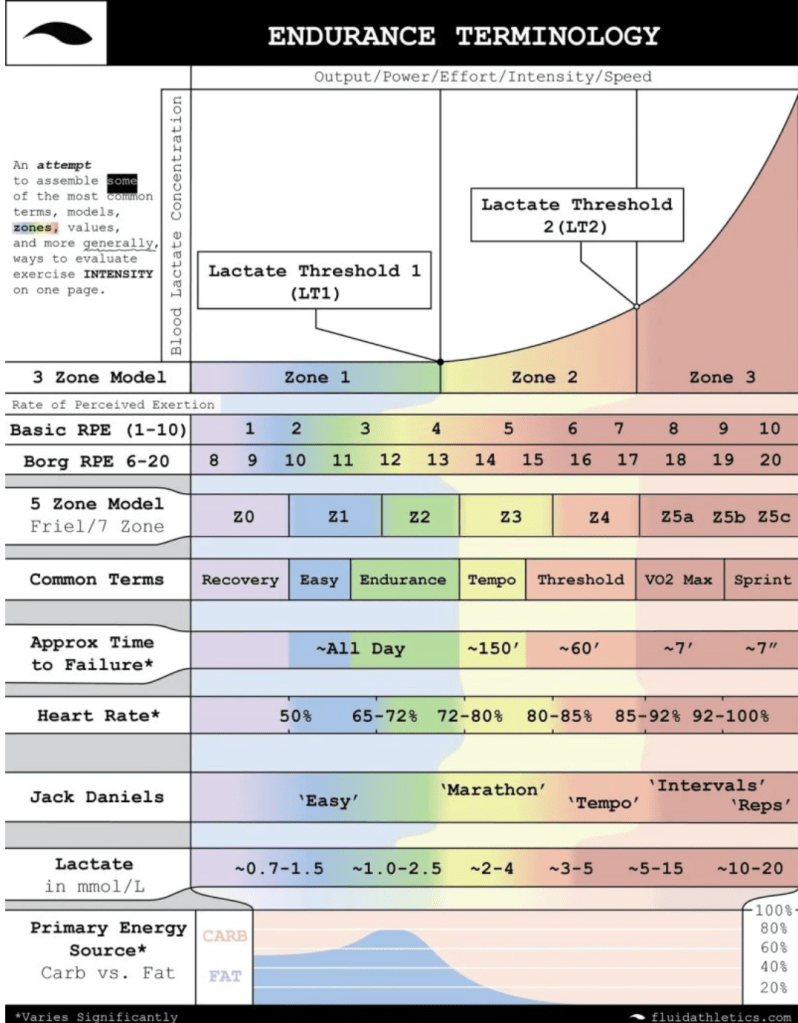
That’s a fairly comprehensive list and as always there will be some conjecture about some of these descriptions but the important thing to get across is that this is my interpretation of the various effort levels I want you to focus on. Here is a diagram that doesn’t entirely agree with my effort ratings but it does show them in comparison nicely to a few other scales.
That’s the general guide line for RPE to refer to now or later.
Athlete Zones:
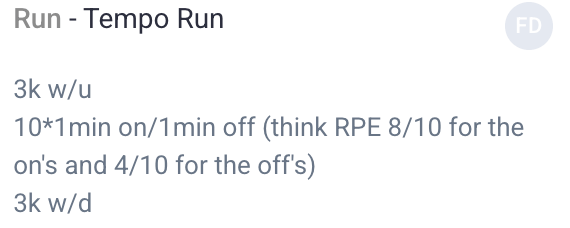
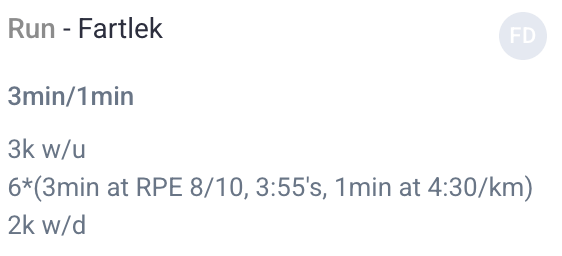
Introducing the above diagram is a good segue into explaining the zones that are found in FinalSurge. I don’t usually prescribe training based on zones because I think that invites too much of a ‘oh I have to be in Zone 3 for my heart rate or my pace or Fraser will be mad’ mindset. That’s why I like RPE instead because it relies on YOU to think about yourself and YOU know your body best. I can observe your training and ask you questions but at the end of the day it’s like the whole horse to water reference. YOU have to still drink the water (and do the training).
Anyway, FinalSurge has heart rate and pace and even power zones in a 5-7 zone model. I’ve gone in for most people and put in some suggested pace zones. These are a good guide to refer to but I’m guessing some people have never looked. That’s ok. Like I said, I don’t prescribe training based on them but it doesn’t mean it’s not a good concept to be aware of. The above image has two areas where the term Zone is used and that creates a lot of confusion in the running world around what ‘model’ of Zone terminology is right. The below image has my own personal heart rate zones.
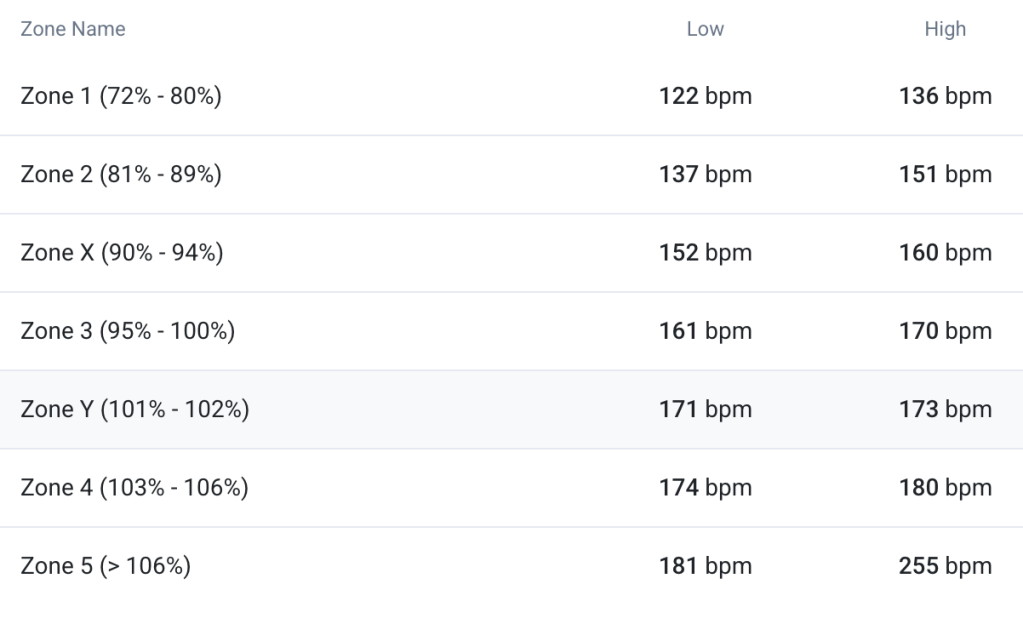
To keep it brief, the best one I like to think of, and therefore something you should have in the back of your head is the 3 Zone model based on your lactate profile. Go back up to the big colourful image and look at the 3 Zone model (the first one) before reading further.
Any training in Zone 1 there is good easy aerobic work. You can do hours of that and still be training. As soon as you cross the boundary ‘the first threshold’ or LT1 you start to produce more lactate than you are at rest but you can still clear it out. The important thing is that as soon as you cross this LT1 threshold you are doing quite good training. Kind of like entering RPE 4.5 and up to RPE 7.5. Training at RPE 5 will be just above the threshold and beneficial but will require more amount of work at this level for the same effect on your fitness as compared to if you worked at RPE 7. In other words, 30 minutes at RPE , just above LT1 might be worth 15minutes at RPE 7. The trick in programming here is playing with the effect that this has for an athlete’s biomechanical load and goal race. Opening the can of worms further, an athlete training for a 5k will get more benefit generally from aiming for the 15minutes at RPE 7 as the paces will be more similar to their goal race pace. An athlete aiming for a marathon will therefore be better off targeting more volume at RPE 5. However, two athletes aiming for a marathon, one with a high injury risk and the other with a low injury risk present an interesting challenge for a coach who has to decide if they want the athlete to run faster for a shorter period of time or longer at a slower pace. When we throw hills into the equation it makes it even more interesting. There is no perfect solution to the conundrum of how to schedule training most effectively for every runner is a big caveat to throw in here now so don’t get too caught up on whether your training is perfect.
Looking back at the diagram, going into Zone 3 the LT2 threshold is now crossed. This boundary is the typical spot on the curve that most elite athletes are aiming for when completing sessions ‘at threshold’. They generally have done some testing using lactate monitors to effectively work out a heart rate number that correlates to their LT2 value (it’s not an exact science to use heart rate though but it does give a good estimate!) and aim for that heart rate in sessions like 3*10mins with 2min jog. Hopefully you can see then that the idea of 3*10mins with 2 min jog for these athletes is to spend 10 minutes as close as they can to that LT2 line without crossing it. And in the 2 min jog they drop well below the LT2 boundary to reset before their next rep. Now, that’s not to say if you cross over LT2 the session is ruined, no not at all! It’s just slightly distorted the signalling effects that the session was prescribed for.
Signalling effects? What do you mean? Well every time you do something, your muscles and everything else in your body is signalling back to your brain with feedback about how it went. If you keep the signal the same and it’s nice and clean (like keeping an easy run all easy) then the brain receives the signal loud and clear and makes the necessary adaptations to make that even easier next time. If you confuse the signal by doing something a bit random then you can throw off the adaptations. A bit like having a hair in your soup (that’s a very extreme example, more like having a bit of dust on your floor, not that noticeable but something you’d clean up if you had guests coming over).
Anyway, back to the 3 zone model. We’ve crossed LT2, what happens then? Well, basically everything gets really hard and your body starts prioritising everything to work at FULL effort for only a limited amount of time. It CANNOT deal with the lactic you are producing and just shoves it out the way like just shoving more rubbish into your bin. Eventually, the bin (your muscles) gets too full and you have to empty it (you slow down back to below LT2).
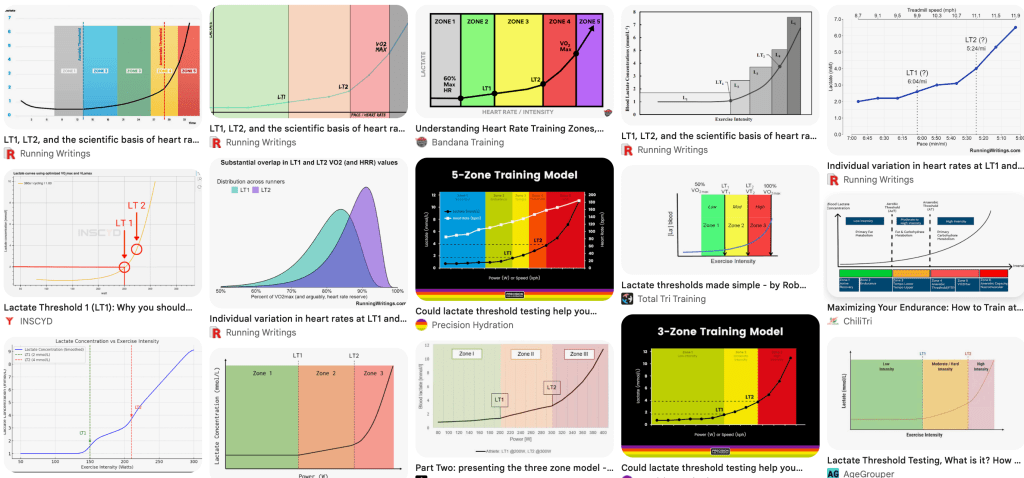
Now, all the training you do is meant to increase the position of LT1 and LT2 for yourself and then improve your economy at those thresholds, yadda yadda very scientific very interesting but very far removed from the first item in this newsletter, training to feel and RPE. So if you’re read this far congratulations hopefully you now have a better view of how your training fits into the big picture of your fitness and different race goals. If you want more information the internet is full of descriptions and pretty images as shown below. The main thing to return to is if you are running and enjoying it then that is good. Keep doing that.
Injury prevention:
A third topic for this newsletter but one in which I’ll only scratch the surface for now. Basically, having brought up RPE and Athlete Zones it’s important to link together these concepts along with injury. If you overdo the RPE and are sitting too high in your heart rate or whatever then you are increasing your injury risk. Good to train at the right RPE or just under, you get fitter and do more running, bad to train over, you might get hurt.
Simple idea really but spelling it out hopefully reinforces it. Overall since using FinalSurge I have found that runners are less injured across the board and are managing their niggles better than they otherwise would have been. This is tremendous news. It isn’t to do with the programming and the style of sessions or the amount of running, that has stayed mostly constant for runners who I was coaching previously. I believe it is to do with the level of communication and ease of adaptiveness on FinalSurge. So the reason I bring this up in the newsletter is as a general reminder that please please please get in touch if you ever have a niggle as getting on top of it early is the best plan of attack. It is also a good reminder to use the post workout notes as a good pre-cursor to an injury is consecutive reports of a run feeling harder than it should be. It’s not a theory I’ve tested fully yet though (as that would mean programming a runner to the point they get injured) so don’t panic if you have felt terrible on every run the last week or so.
The best thing to do if you ARE ever worried about an injury is to take a rest day or three. Three rest days will generally solve most things except serious bone injuries, chronic long term tendinopathies and the Hormuz Strait issue. I’m not a physio or a Dr. or a politician though so don’t hold me to that statement. Basically three days allows the inflammation cycle to run it’s course, your hormones to reset and your brain to stop focusing on surviving every thing you throw at it and it can actually update some of the body’s hardware to make it thrive instead. I also feel like taking three rest days is easier mentally as opposed to bargaining with yourself that you’ll take one rest day and hopefully it’ll be fixed by tomorrow. Personally that makes for a stressful rest day.

Anywho, I said I was just going to scratch the surface of that issue so I’ll leave it there for now and keep you all hanging with some other thoughts I have on injury prevention for Newsletter #5.
AOB:
There’s lots of races coming up so don’t forget about some of the tips in the last newsletter. I have a few spots open at the moment and I might advertise that out to a wider audience so if you know anyone that would like some running coaching then please feel free to pass on my details. Newsletter #5 is slated to cover a topic called ‘The 4 Pillars of Performance’ along with information on strides and when to abort a session. But that’s just the plan for now, things change and suggestions are welcome.
Thanks for reading and I hope you learned something or had some concepts reinforced!


Leave a Reply